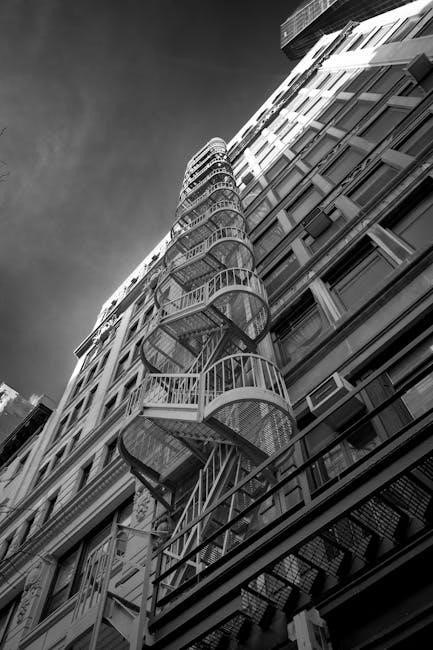
Chapter 6 of the 2014 NYC Fire Code details means of egress, encompassing crucial safety provisions for various appliances within buildings.
This chapter establishes minimum standards for safe evacuation and appliance operation.
Overview of Chapter 6: Means of Egress
Chapter 6 fundamentally centers on ensuring safe and efficient evacuation routes during emergencies. It meticulously outlines requirements for exit access, encompassing corridors, doorways, stairwells, and ramps.
The code addresses crucial aspects like exit width, illumination, and signage, guaranteeing clear pathways for occupants.
Furthermore, it details provisions for fire-resistant construction within egress routes, minimizing fire spread and maximizing safety.
Specific appliance installations must adhere to these egress standards, preventing obstruction and maintaining accessibility for all building users, ultimately prioritizing life safety.
Scope and Applicability of Chapter 6
Chapter 6’s scope is remarkably broad, applying to nearly all buildings and structures within New York City, encompassing new construction, alterations, and renovations. It governs the design, construction, and maintenance of means of egress, impacting diverse occupancies – residential, commercial, industrial, and assembly.
Specifically, appliance installations directly influence egress compliance, demanding careful consideration of placement and potential obstructions.
The code’s applicability extends to all building components affecting evacuation, ensuring comprehensive safety measures are consistently implemented throughout the city.
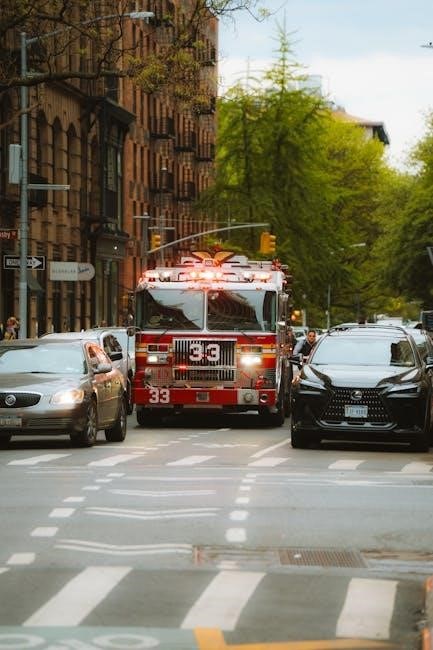
Specific Appliance Requirements ‒ General
NYC Fire Code dictates specific standards for appliance installation, operation, and maintenance, prioritizing fire safety and occupant protection within all building types.
Definition of “Appliance” within the NYC Fire Code
The 2014 NYC Fire Code broadly defines “appliance” as any device or equipment that utilizes or produces heat, electricity, or a flammable substance. This encompasses a wide range of items, from cooking equipment and heating systems to laundry machines and specialized medical devices.
Crucially, the definition extends beyond simply the device itself to include associated components like ventilation systems, fuel storage, and control mechanisms. Understanding this expansive definition is vital for ensuring all relevant equipment meets the code’s stringent safety requirements, protecting building occupants and property.
Permitting and Approval Processes for Appliances
The 2014 NYC Fire Code mandates permits for the installation, alteration, or repair of numerous appliances. This process ensures compliance with safety standards before operation. Applications require detailed plans, specifications, and often, professional certifications.
The Department of Buildings (DOB) and the Fire Department (FDNY) collaborate on approvals. Inspections are conducted throughout the process, verifying adherence to code requirements. Failure to obtain necessary permits can result in significant penalties, including fines and operational shutdowns, emphasizing proactive compliance.
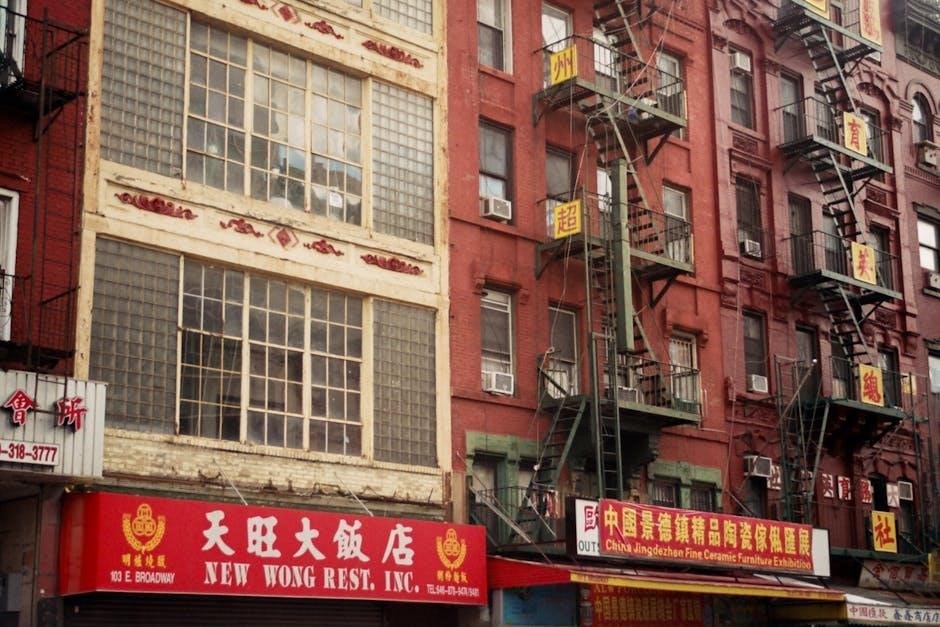
Cooking Appliances & Ventilation (Chapter 6 Focus)
Chapter 6 rigorously governs commercial cooking operations, demanding specific hood and duct systems to manage grease and combustion byproducts effectively and safely.
Commercial Cooking Operations ⸺ Hood and Duct Systems
NYC Fire Code Chapter 6 mandates comprehensive hood and duct systems for all commercial kitchens. These systems must effectively capture and remove grease, smoke, and heat generated during cooking.
Requirements detail specific construction materials – typically stainless steel – and proper installation techniques to prevent fire spread. Ductwork needs regular cleaning to avoid grease buildup, a significant fire hazard.
The code also specifies appropriate fire suppression systems integrated within the hood assembly, ensuring rapid response in case of a kitchen fire. Proper maintenance and inspection schedules are crucial for compliance.
Type I & Type II Hood Systems ‒ Detailed Requirements
The 2014 NYC Fire Code differentiates between Type I and Type II hood systems based on cooking appliance grease production. Type I hoods, serving appliances producing high grease loads, require fully ducted systems with grease filters and automatic fire suppression.
Type II hoods, for lower grease production, may utilize ductless systems with specialized filters. Both types demand specific clearances from combustible materials and adherence to NFPA 96 standards.
Detailed specifications cover airflow rates, hood overhang dimensions, and access panels for cleaning and maintenance, ensuring optimal fire safety.
Grease Removal Devices & Maintenance
The 2014 NYC Fire Code mandates grease removal devices – such as grease traps, interceptors, and filters – within commercial cooking exhaust systems. Regular maintenance is paramount; records of cleaning and inspections must be meticulously maintained.
Frequency depends on cooking volume, but generally requires professional cleaning quarterly or more often. Neglecting maintenance leads to grease buildup, a significant fire hazard.
Proper disposal of collected grease is also regulated, preventing environmental contamination and ensuring compliance with city ordinances.
Heating Appliances & Safety
NYC’s 2014 Fire Code regulates furnaces, boilers, and incinerators, demanding strict installation standards and proper clearances to prevent combustible material ignition.
Furnaces, Boilers, and Incinerators ⸺ Installation Standards
The 2014 NYC Fire Code meticulously outlines installation protocols for heating systems. These standards cover proper venting, ensuring complete combustion and preventing carbon monoxide buildup.
Requirements dictate specific clearances from combustible materials, safeguarding against accidental ignition. Permitting is crucial, demanding detailed plans reviewed by the FDNY.
Regular inspections verify compliance with these stringent regulations, focusing on burner efficiency, safety controls, and overall system integrity. Adherence minimizes fire risks and ensures occupant safety within buildings utilizing these appliances.
Clearances to Combustible Materials
The 2014 NYC Fire Code mandates specific distances between heating appliances – furnaces, boilers, and incinerators – and any combustible surfaces. These clearances are critical for preventing accidental fires caused by radiant heat or direct contact.
Regulations detail minimum spacing requirements based on appliance BTU output and material flammability. Proper insulation and shielding can sometimes reduce required clearances, but must be FDNY-approved. Maintaining these distances is paramount for building safety and code compliance, ensuring a fire-resistant environment.
Carbon Monoxide Detection Systems
The 2014 NYC Fire Code requires carbon monoxide (CO) detection systems in buildings with fuel-burning appliances like furnaces and boilers. These systems are vital for alerting occupants to the presence of this odorless, colorless, and deadly gas. Regulations specify detector placement – near sleeping areas is crucial – and proper maintenance, including regular testing. Interconnected detectors are often mandated for comprehensive coverage. Compliance ensures occupant safety and minimizes the risk of CO poisoning incidents within the building.

Emergency Lighting & Power Systems
NYC Fire Code Chapter 6 mandates reliable emergency lighting and power systems in designated areas, ensuring safe egress during power outages.
Requirements for Emergency Lighting in Specific Areas
The 2014 NYC Fire Code, Chapter 6, meticulously outlines emergency lighting requirements for diverse building areas. Stairwells, corridors serving egress routes, auditoriums, and large assembly spaces necessitate illumination upon primary power failure.
Emergency lights must provide a minimum of 1 foot-candle measured at the walking surface. Automatic transfer switches are crucial, activating backup systems within ten seconds of power loss.
Furthermore, specific occupancies, like healthcare facilities, demand heightened emergency lighting standards, ensuring uninterrupted patient care and safe evacuation procedures. Regular testing and maintenance are paramount for compliance.
Automatic Transfer Switches & Generator Sets
Chapter 6 of the 2014 NYC Fire Code mandates automatic transfer switches (ATS) for essential systems during power outages. ATS seamlessly switch to emergency power sources, like generator sets, ensuring uninterrupted operation of life safety systems.
Generator sets must meet stringent performance criteria, including sufficient capacity and reliable starting capabilities. Regular load testing and fuel supply verification are crucial for maintaining operational readiness.
Proper installation and adherence to manufacturer specifications are paramount for safe and effective generator operation, safeguarding building occupants and ensuring code compliance.
Battery Backup Systems ⸺ Capacity and Maintenance
The 2014 NYC Fire Code, Chapter 6, outlines requirements for battery backup systems supporting emergency lighting and fire alarm systems. Capacity must ensure continuous operation for a defined duration during power failures, typically 90 minutes or more.
Regular maintenance, including testing and replacement of batteries, is critical. Detailed records of inspections and maintenance activities must be maintained.
Proper ventilation and temperature control are essential for optimal battery performance and longevity, preventing premature failure and ensuring reliable emergency power.
Fire Protection Systems & Appliances
NYC’s 2014 Fire Code, Chapter 6, mandates specific fire protection systems for appliances, including sprinklers, standpipes, and extinguishers, ensuring rapid fire suppression.
Sprinkler System Requirements for Specific Appliances
The 2014 NYC Fire Code, Chapter 6, dictates stringent sprinkler system requirements tailored to diverse appliances. Commercial cooking operations, particularly those with grease-producing appliances, necessitate specialized sprinkler heads and increased water density.
Heating appliances like furnaces and boilers require adequate clearance from combustible materials and sprinkler coverage. Laundry facilities, especially commercial ones, demand sprinkler systems designed to address lint and flammable material hazards.
Furthermore, the code specifies appropriate sprinkler types – quick response, standard response – based on the appliance’s hazard classification, ensuring effective fire suppression and life safety.
Standpipe Systems & Hose Connections
Chapter 6 of the 2014 NYC Fire Code mandates standpipe systems in buildings exceeding a specified height, crucial for firefighter access to water on upper floors. These systems must be readily accessible, with hose connections strategically located near stairwells and appliance areas.
Specific appliance installations, like those involving flammable liquids or high heat processes, may require additional standpipe outlets.
Hose connections must be clearly marked, unobstructed, and equipped with appropriate caps and chains. Regular inspection and maintenance are vital to ensure operational readiness during emergencies, safeguarding both occupants and first responders.
Fire Extinguishers ‒ Type, Size, and Placement
The 2014 NYC Fire Code, Chapter 6, dictates specific fire extinguisher requirements based on potential hazards within a building. Appliance areas necessitate extinguishers appropriate for the class of fire risk – A, B, C, or K – determined by the materials present.
Extinguisher size and quantity are calculated based on the hazard level and square footage.
Placement must ensure quick access, with extinguishers clearly visible and unobstructed, adhering to travel distance limitations. Regular inspections and maintenance are crucial for operational reliability, protecting life and property.
Electrical Appliances & Hazards
Chapter 6 addresses electrical safety for appliances, mandating proper panel requirements, overload protection, grounding, and bonding. Hazardous locations require explosion-proof appliances.
Electrical Panel Requirements & Overload Protection
The 2014 NYC Fire Code, Chapter 6, dictates stringent requirements for electrical panels serving appliances. Panels must be readily accessible, clearly labeled, and adequately sized to handle anticipated loads. Overload protection, via circuit breakers or fuses, is paramount to prevent overheating and potential fires.
Dedicated circuits are often required for high-demand appliances. Proper grounding and bonding are essential for safety, minimizing electrical shock hazards. Regular inspections ensure compliance and safe operation, safeguarding building occupants and property. Maintaining appropriate clearances around panels is also crucial.
Grounding and Bonding of Appliances
According to the 2014 NYC Fire Code, Chapter 6, proper grounding and bonding of appliances are critical safety measures. Grounding provides a low-resistance path for fault currents, minimizing electrical shock risk. Bonding connects non-current-carrying metal parts, equalizing electrical potential. These systems protect against dangerous voltage buildup.
Appliances must be grounded using approved methods, and bonding jumpers should be securely installed. Regular inspections verify the integrity of these systems, ensuring continued safety and code compliance within buildings.
Hazardous Locations & Explosion-Proof Appliances
The 2014 NYC Fire Code, Chapter 6, addresses hazardous locations where flammable vapors or dusts may exist. In these areas, only approved explosion-proof appliances are permitted. These appliances are designed to contain any internal ignition, preventing fires or explosions. Proper classification of hazardous locations is essential, dictating the required appliance protection level.
Regular inspections ensure appliances maintain their integrity and continue to meet safety standards, safeguarding occupants and property from potential hazards.
Refrigeration & Cooling Systems
NYC Fire Code Chapter 6 mandates refrigerant safety measures, including leak detection and emergency shut-off systems for refrigeration units, ensuring public safety.
Refrigerant Safety & Leak Detection
The 2014 NYC Fire Code, within Chapter 6, places significant emphasis on refrigerant safety protocols for cooling systems; Mandatory leak detection systems are required in spaces containing refrigeration equipment utilizing specific refrigerant types and quantities. These systems must activate alarms upon detecting leaks, alerting building occupants and maintenance personnel.
Properly maintained refrigerant systems are crucial, as leaks can displace oxygen, creating an asphyxiation hazard, or contribute to environmental concerns. Regular inspections and adherence to manufacturer guidelines are essential for compliance and safety. Documentation of refrigerant type, quantity, and leak detection system maintenance is also required.
Emergency Shut-Off Systems
The 2014 NYC Fire Code mandates emergency shut-off systems for refrigeration and cooling equipment to mitigate potential hazards. These systems allow for the rapid isolation of refrigerant flow in the event of a leak or system malfunction, minimizing environmental impact and safety risks.
Accessible and clearly labeled shut-off valves must be installed in accordance with code requirements. Regular testing and maintenance of these systems are crucial to ensure their functionality during emergencies. Proper training for building personnel on the operation of these systems is also a key component of compliance.
Laundry Appliances & Fire Safety
Commercial laundry facilities require specific ventilation to remove lint, a significant fire hazard. The 2014 NYC Fire Code emphasizes lint removal and prevention measures for safety.
Commercial Laundry Facilities ‒ Ventilation Requirements
The 2014 NYC Fire Code mandates robust ventilation systems for commercial laundry operations; These systems must effectively remove lint, moisture, and potentially flammable vapors generated during washing and drying cycles.
Proper ventilation minimizes the risk of fire ignition and spread, ensuring a safer environment for occupants. Ductwork must be constructed of appropriate materials, regularly inspected, and cleaned to prevent lint accumulation.
Exhaust systems should discharge to the exterior, away from air intakes and public areas. Compliance with these ventilation requirements is crucial for maintaining fire safety standards within commercial laundry facilities.
Lint Removal & Fire Prevention
The 2014 NYC Fire Code emphasizes diligent lint removal as a primary fire prevention measure in commercial laundry facilities. Accumulated lint is highly combustible and poses a significant fire hazard. Regular cleaning of lint traps, dryer vents, and ductwork is mandatory.
Furthermore, laundry equipment should be inspected frequently for malfunctions that could contribute to lint buildup. Staff training on proper lint management procedures is essential. Implementing a comprehensive lint control program drastically reduces the risk of laundry-related fires, safeguarding lives and property.
Specialized Appliances & Unique Considerations
NYC’s 2014 Fire Code addresses specialized systems like medical gases and compressed cylinders, demanding strict installation, inspection, and handling protocols for safety.
Medical Gas Systems ⸺ Installation and Inspection
The 2014 NYC Fire Code meticulously regulates medical gas systems, prioritizing patient and staff safety. Installation must adhere to NFPA 99 standards, encompassing proper piping materials, valve placement, and cylinder securing.
Regular inspections are crucial, verifying leak detection systems function correctly and that cylinder storage areas meet ventilation requirements. Documentation of all inspections, maintenance, and repairs is mandatory. Qualified personnel must perform these tasks, ensuring compliance with stringent safety protocols to mitigate potential hazards associated with flammable and oxidizing gases.
Compressed Gas Cylinders ‒ Storage and Handling
The 2014 NYC Fire Code dictates strict protocols for compressed gas cylinder storage and handling, minimizing fire and health risks. Cylinders require secure upright positioning, chained or otherwise restrained to prevent falling. Dedicated, well-ventilated storage rooms, separated from ignition sources, are essential.
Proper labeling identifying gas content is mandatory. Valves must be protected, and cylinders inspected regularly for damage or leaks. Transportation within buildings demands approved carts, and personnel must receive training on safe handling procedures, adhering to NFPA guidelines.

Inspections & Enforcement
FDNY routinely inspects appliances for code compliance, addressing violations promptly. Penalties for non-compliance can include fines and mandated corrective actions to ensure safety.
FDNY Inspection Procedures for Appliances
FDNY inspections of appliances under Chapter 6 are comprehensive, verifying adherence to installation, operation, and maintenance standards. Inspectors utilize checklists referencing specific code sections.
They assess proper clearances, ventilation, safety devices, and documentation.
Owners must provide access and records during inspections.
Deficiencies noted receive a written report outlining required corrections within a specified timeframe.
Follow-up inspections confirm compliance, potentially leading to further enforcement if issues persist.
These procedures prioritize public safety and code adherence.
Common Violations & Penalties
Frequent violations related to Chapter 6 include inadequate clearances around heating appliances, improper ventilation for cooking equipment, and missing or malfunctioning emergency lighting.
Lack of required maintenance records for fire protection systems is also common. Penalties range from notices of violation requiring immediate correction to substantial fines and potential legal action.
Repeat offenses or endangering occupants can lead to building closure. Corrective actions must be documented and re-inspected by the FDNY;
Updates & Amendments to Chapter 6 (Post-2014)
Post-2014 amendments to Chapter 6 focus on enhanced energy efficiency standards for appliances and updated regulations regarding lithium-ion battery safety.
Recent Changes to Appliance Regulations
Significant updates since 2014 involve stricter requirements for cooking appliance ventilation systems, particularly concerning grease removal device maintenance and fire suppression. Amendments also address emergency lighting and power systems, mandating increased battery backup capacity and regular testing protocols. Furthermore, the code now incorporates detailed guidelines for the installation and inspection of medical gas systems, emphasizing safety measures for compressed gas cylinder storage and handling. These changes reflect a proactive approach to mitigating potential hazards associated with diverse appliance types, ensuring enhanced building safety and occupant protection throughout New York City;
Resources for Staying Current with the NYC Fire Code
Staying informed requires utilizing several key resources. The official NYC Buildings Department website (nyc.gov/buildings) provides access to the latest code updates, interpretations, and bulletins. The FDNY website (nyc.gov/fdny) offers guidance on inspection procedures and common violations. Additionally, industry associations like the American Society of Heating, Refrigerating and Air-Conditioning Engineers (ASHRAE) provide valuable technical information. Regularly attending FDNY-sponsored training sessions and subscribing to relevant newsletters are also crucial for maintaining compliance with evolving regulations.