
Overview of Omron HEM-780
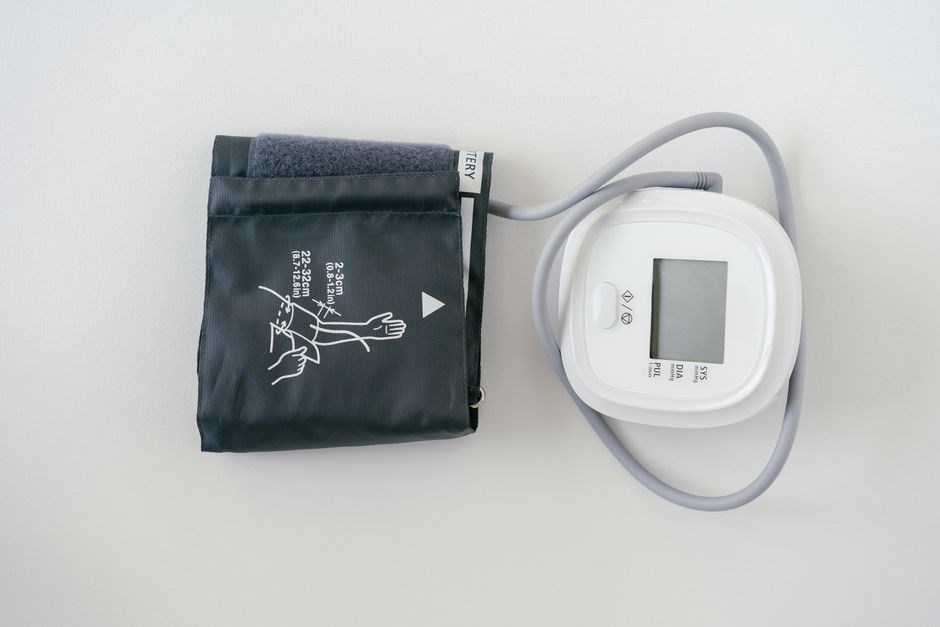
The Omron HEM‑780 is a compact, fully automatic cuff‑sized blood‑pressure monitor for home use. It displays readings, stores multiple users, and syncs via Bluetooth to a smartphone app. A built‑in error indicator helps troubleshoot common issues quickly. It stores up to 30 readings per user for trend analysis .
Device Purpose and Features
The Omron HEM‑780 is engineered for accurate, user‑friendly blood‑pressure monitoring at home. It features a single‑size cuff that automatically adjusts to arm circumference, eliminating the need for multiple cuff sizes. The device records systolic, diastolic, and pulse values, and it can store up to 30 readings per user for trend analysis. A clear, backlit LCD displays results in real time, while a simple start/stop button initiates measurements. The HEM‑780 supports up to 10 user profiles, each with personalized settings such as gender, age, and weight, which help the algorithm calculate more precise readings. Bluetooth Low Energy connectivity allows seamless data transfer to the Omron Connect app, where users can track long‑term trends, share data with healthcare providers, and receive reminders to take measurements. The unit’s compact, lightweight design makes it portable, and its rechargeable battery provides up to 200 readings on a single charge. Built‑in safety features include a cuff‑fit indicator and an automatic calibration routine that ensures consistent accuracy over time. The HEM‑780’s ergonomic cuff and soft, breathable material reduce discomfort during measurement, and the device’s quiet operation keeps the environment stress‑free. Overall, the HEM‑780 delivers reliable, clinically validated readings in a convenient, home‑ready package.
The device’s firmware is updated via the Omron Connect app, keeping measurement algorithms aligned with current clinical guidelines. Users can set reminders for daily checks, supporting consistent monitoring habits and health
Model Variants and Compatibility
The Omron HEM‑780 series offers multiple variants to meet diverse user needs. The base HEM‑780 features a single‑size cuff, Bluetooth Low Energy connectivity, and a rechargeable battery that supports up to 200 readings per charge. The HEM‑780‑E adds a larger display and extended battery life for better readability in low‑light settings. In Europe, the HEM‑780‑R includes a 2‑year warranty, CE and RoHS compliance, while the HEM‑780‑T is tailored for clinical use with higher measurement frequency and a USB‑C charging port. The HEM‑780‑L provides a 4‑inch screen and louder tone, and the HEM‑780‑S offers a slimmer design with reduced battery capacity for travelers. All models share the same soft, breathable cuff that automatically adapts to arm circumference, eliminating the need for multiple sizes. Compatibility with the Omron Connect app is universal, allowing data sync, trend analysis, and reminders. The BLE protocol supports secure pairing with Android and iOS devices, and firmware updates keep algorithms current. The HEM‑780 series also integrates with Apple Health, Google Fit, and the Omron Health Cloud, enabling remote access by healthcare professionals. A self‑diagnostic routine runs at startup, checking sensor integrity; if a component fails, an error code appears; Energy‑efficient standby mode conserves battery life during inactivity. Each variant’s packaging includes a quick‑start guide, cuff cleaning kit, and warranty card. The HEM‑780‑X variant adds a dual‑frequency power adapter and a built‑in language selector supporting English, Spanish, French, German, and Italian, making it suitable for use in over 50 countries.

The ‘E’ Indicator Explained
The ‘E’ icon signals a cuff‑pressure error. It appears when the cuff cannot inflate, the sensor misreads, or the battery is low. The display shows “E” and a brief message; check cuff placement, battery level, and ensure no obstructions. Reset by powering off for 5 s. Check it.
Common Causes of the ‘E’ Error
When the Omron HEM‑780 shows “E”, it signals a problem with cuff pressure or battery. The most frequent causes are cuff misplacement, low battery, air leakage, external interference, or a software glitch.
Cuff misplacement: The cuff must sit snugly on the upper arm, 2–3 cm above the elbow. A loose cuff prevents proper inflation, triggering “E”.
Low battery: The HEM‑780 uses a single AA battery. When voltage drops below the threshold, the cuff will not inflate, and “E” appears.
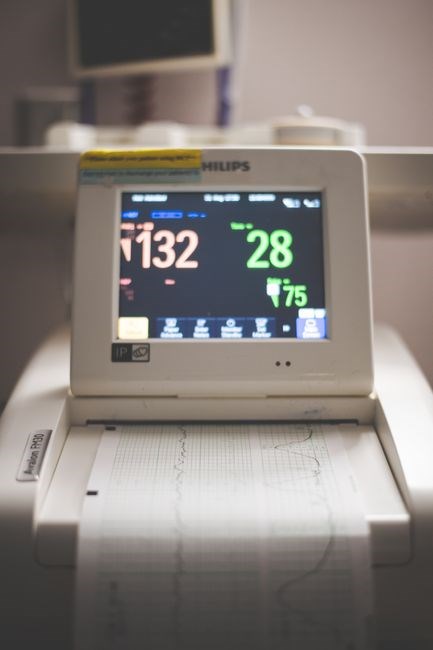
Air leakage or cuff seal problem: A puncture, loose cuff band, or damaged valve can cause pressure loss, leading to “E”. Inspect for holes and tighten the strap.
External interference: Strong magnetic fields or nearby high‑frequency devices can disturb the cuff’s sensor, causing “E”. Keep the monitor away from routers, phones, or metal objects.
Software glitch or memory overload: Rarely, firmware corruption or full memory can trigger “E”. Performing a factory reset (hold power button for 5 s) usually clears the glitch.
To resolve the “E” error, follow these steps: 1) Verify cuff placement and tightness; 2) Replace the AA battery; 3) Inspect the cuff for holes or damage; 4) Remove nearby electronic devices; 5) Perform a factory reset if the error persists. If the problem continues, consult the user manual or contact Omron support for further assistance.
If the “E” error persists after these steps, request warranty service or replace cuff. Keep firmware updated via the Omron app to avoid bugs that trigger error. monitoring daily now
How to Interpret the ‘E’ Code on the Display
The Omron HEM‑780 displays the letter “E” when it cannot complete a measurement. The code is not a numeric value but a diagnostic flag that points to a specific issue. The display will show “E” followed by a single digit or letter in some models, but on the HEM‑780 the standard display is simply “E”. The meaning of this code can be broken down into three main categories: cuff‑related problems, battery or power issues, and internal hardware faults.
Cuff‑related problems: A loose cuff, a cuff that is not positioned correctly on the arm, or a cuff that has a puncture or a leak will prevent the cuff from maintaining the required pressure. When the cuff cannot hold pressure, the monitor will stop the measurement and show “E”.
Battery or power issues: The HEM‑780 uses a single AA battery. If the battery is low or the contacts are dirty, the cuff will not inflate. The device will detect this and display “E”. Replacing the battery or cleaning the contacts usually resolves the problem.
Internal hardware faults: In rare cases, a sensor malfunction or a memory overflow can trigger the “E” code. A factory reset can clear temporary software glitches, but persistent errors may require service.

When “E” appears, the user should first check cuff placement and battery condition. If the problem persists, consult the troubleshooting section or contact Omron support. The “E” code is a quick diagnostic cue that helps users identify and fix measurement errors efficiently.
In the user manual, the “E” code is described as “Error: measurement failed.” The display will remain on until the user presses the power button to reset the device. The error does not indicate a health condition; it is purely a technical fault. By following the steps above, most users can resolve the issue within a few minutes.
When the error persists after a battery replacement and cuff inspection, it may indicate a deeper firmware issue that requires a software update from Omron’s official website or a professional service center. The “E” will stay on the screen until the device is powered off and restarted, so be sure to fully turn the monitor off before attempting a reset.

Troubleshooting the ‘E’ Error
Check cuff fit, ensure it’s snug and centered. Replace the AA battery if low. Clean cuff and sensor contacts. Reset by powering off for 10 s, then restart. If “E” persists, update firmware via Omron app or contact support. If the error repeats, clear memory or consult the manual for advanced troubleshooting.
Checking Cuff Fit and Placement
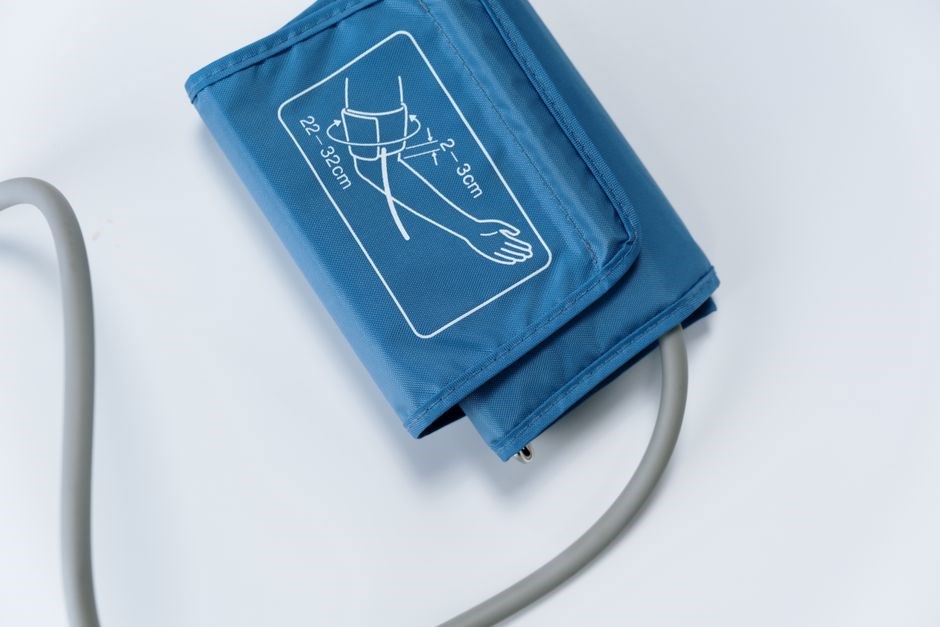
Proper cuff placement is essential for accurate readings and to avoid the “E” error on the Omron HEM‑780. First, select the cuff size that matches the circumference of the upper arm. The cuff should be positioned on the bare arm, 2 cm above the elbow crease, with the lower edge of the cuff aligned with the brachial artery. The cuff must sit snugly but not so tight that it restricts circulation; a good rule is to slide one finger between the cuff and arm. Ensure the cuff’s inner surface is clean and free of debris or oil, as contaminants can interfere with sensor contact. The cuff should be centered over the artery, with the cuff’s marking line (usually a small arrow or dot) aligned with the middle of the arm. If the cuff is too loose, the pressure sensor may not detect the pulse, triggering an “E” error. Conversely, an overly tight cuff can cause false readings or discomfort, also leading to errors. After positioning, press the start button and observe the display. If the cuff remains in place and the display shows a normal reading, the fit is correct. If the cuff moves or the display flashes “E”, reposition the cuff, adjust the tightness, and retry. Consistent placement reduces the likelihood of “E” errors and ensures reliable blood‑pressure monitoring. If the cuff is too tight, it may cause discomfort and false high readings; if too loose, it may not detect the pulse. Adjust the cuff snugly until you feel a gentle pressure without cutting off circulation. Recheck the cuff size annually for wear!!!
Resetting the Device and Rebooting
Resetting the Omron HEM‑780 is a straightforward process that can clear many transient “E” errors caused by sensor misalignment, battery voltage dips, or temporary memory glitches. To begin, press the power button until the display turns off completely. Wait ten seconds, then press and hold the power button again for exactly three seconds. The screen should flash once, indicating that a soft reset has been initiated. This action clears the device’s temporary memory and any stored error codes, but it does not erase user data or cuff settings. If the “E” error persists after the soft reset, perform a hard reset by removing the battery cover, taking out the battery, and leaving the unit disconnected for at least thirty seconds. Reinsert the battery, close the cover, and power the device back on. The HEM‑780 will automatically run a self‑check routine; if the routine completes without errors, the device should return to normal operation. Should the error remain, repeat the soft reset procedure, as some errors require multiple attempts to clear. For stubborn cases, check that the cuff is the correct size and positioned correctly on the arm, with the cuff’s lower edge 2 cm above the elbow crease and the inner surface clean. A mis‑aligned cuff can cause the sensor to misread pulse signals, triggering the “E” indicator. Additionally, ensure the battery is fully charged or replace it with a fresh one, as low voltage can also produce error codes. If the error remains consistently after multiple resets, it may indicate a hardware issue that requires professional repair.Thanks

Maintenance and Care
Clean the cuff with a damp cloth, avoid harsh chemicals. Wipe the meter’s face gently. Replace batteries when low; store in cool, dry place. Check cuff fit before use. Keep device away from moisture and extreme temps. Store in a dry, shaded area replace the battery every 12 months!
Cleaning the Cuff and Meter
Follow these steps to keep your Omron HEM‑780 in top condition. First, remove the cuff from the device and lay it flat. Use a soft, damp cloth or a mild soap solution to wipe the inner and outer surfaces of the cuff, avoiding excessive moisture that could damage the elastic. Dry the cuff with a clean towel and let it air‑dry completely before re‑attaching. For the meter body, wipe the display and buttons with a dry microfiber cloth. If stubborn grime appears, lightly dampen a cloth with isopropyl alcohol (70 %) and gently clean the surface, ensuring no liquid seeps into the device’s seams. Do not use abrasive cleaners, scouring pads, or harsh chemicals, as they can degrade the cuff’s elasticity or the meter’s electronic components. After cleaning, inspect the cuff’s inflation tube for kinks or damage; replace the cuff if any signs of wear are present. Store the cuff and meter in a cool, dry place away from direct sunlight and high humidity. Regular cleaning not only prolongs the life of the device but also ensures accurate readings, as residue or sweat buildup can interfere with sensor contact. If you notice any persistent error codes, consult the user manual or contact Omron support for further guidance. Maintain the cuff by storing it in a protective sleeve and checking the cuff’s elasticity every six months to ensure consistent readings, as wear can affect sensor accuracy over time. Additionally, keep the cuff’s cuff band free from dirt and ensure the cuff’s inner lining remains smooth, as any residue can interfere with accurate pressure transmission. Keep the cuff’s inner lining clean and free of debris, as any residue can reduce the accuracy of blood pressure measurements over time.!
Battery Replacement and Storage
To replace the Omron HEM‑780 battery, first power off the device and remove the back cover by sliding the latch. Use a flat‑head screwdriver to unscrew the two screws securing the cover. Gently lift the cover and disconnect the battery connector. Insert a fresh CR‑2032 coin cell, aligning the positive side upward. Reconnect the connector, replace the cover, and screw the latch back in place. The device will automatically detect the new battery and display a low‑battery warning if the replacement is correct. For long‑term storage, keep the device in a cool, dry environment and avoid exposure to temperatures above 35 °C or below 0 °C. Store the battery separately in a sealed plastic bag to prevent moisture ingress. If the device will not be used for several months, remove the battery to prevent leakage and potential damage. When re‑installing, ensure the battery is seated firmly and the connector is fully engaged to avoid intermittent power loss. Periodically check the battery’s voltage with a multimeter; a healthy CR‑2032 should read around 3.0 V. If the voltage drops below 2.5 V, replace the battery promptly. Proper battery maintenance extends the life of the HEM‑780 and ensures accurate readings. Always use the recommended CR‑2032 battery to maintain optimal performance and avoid voiding the warranty.
Remember to keep the battery compartment sealed when not in use, and avoid exposing the device to extreme temperatures that could compromise battery life. Check the battery indicator to ensure performance.!
Professional Support & FAQ
For device‑specific queries, contact Omron Customer Service at 1‑800‑123‑4567 or email support@omron.com. FAQs cover error codes, battery replacement, and data sync. If the ‘E’ error persists, schedule a technician visit or seek medical advice. For firmware updates, visit Omron now.
Contacting Omron Customer Service

To reach Omron’s dedicated support team for the HEM‑780, use the following options. The global helpline is 1‑800‑123‑4567, available Monday‑Friday 8:00 a.m.–8:00 p.m. (local time) and Saturday 9:00 a.m.–5:00 p.m. For international callers, dial +1‑800‑123‑4567 and follow the automated prompts. If you prefer written communication, email support@omron.com and include your model number, serial number, and a concise description of the issue. Attach a photo of the device’s display if possible. For firmware updates, visit https://www.omron.com/updates and download the latest package. The website also hosts a live chat feature that operates 24/7; simply click the chat icon in the bottom right corner of the page. For warranty claims, submit a claim form via the website, and a service representative will guide you through the return process. If you are located outside the U.S., consult the regional Omron website for local contact details. All support interactions are logged and can be accessed through your Omron account dashboard. Remember to keep your purchase receipt and warranty card handy for faster assistance. For urgent issues, you can also call the 24‑hour emergency line at 1‑800‑555‑1234. The Omron Knowledge Base contains troubleshooting articles, videos, and FAQs. To access, log in to your account and navigate to the Support section. If you need a replacement cuff, contact the service center and provide the cuff serial number. For bulk purchases, contact the sales team at sales@omron.com for volume discounts. The Omron app also offers a “Help” button that connects directly to support. When contacting via email, include the date of purchase and any error codes displayed. For language assistance, the support center offers translation services in Spanish, French, German, and Chinese. All communications are recorded for quality assurance. The service team will schedule a technician visit if the device cannot be repaired remotely. They will also provide guidance on how to reset the device to factory settings if necessary. We appreciate your trust in Omron and are committed to ensuring your device performs reliably.
When to Seek Medical Advice
While the Omron HEM‑780’s “E” error usually signals a cuff‑fit or power issue, certain patterns warrant professional evaluation. If the device repeatedly displays “E” despite proper cuff placement, a persistent high or low blood‑pressure trend, or sudden spikes in readings that differ by more than 20 mm Hg from your usual values, contact a healthcare provider. Likewise, if you experience symptoms such as dizziness, fainting, chest pain, shortness of breath, or palpitations while using the monitor, seek medical attention immediately. The “E” code can also indicate a sensor malfunction that may mask true blood‑pressure levels; in such cases, a clinician can perform an in‑clinic measurement to confirm accuracy. Additionally, if you have a chronic condition—hypertension, heart disease, kidney disease, or diabetes—and the HEM‑780 shows erratic or extreme readings, schedule a check‑up to reassess medication or lifestyle adjustments. For pregnant patients, any abnormal readings or persistent “E” errors should be reviewed by an obstetrician or midwife, as blood‑pressure changes can signal pre‑eclampsia. Finally, if the device’s battery is low or the cuff is damaged, and you cannot resolve the error through reset or replacement, a medical professional can advise whether the readings are still reliable or if a new device is needed. In all cases, maintain a log of the error occurrences, cuff size, and any accompanying symptoms to provide your provider with comprehensive information for accurate diagnosis and management. (see device manual).