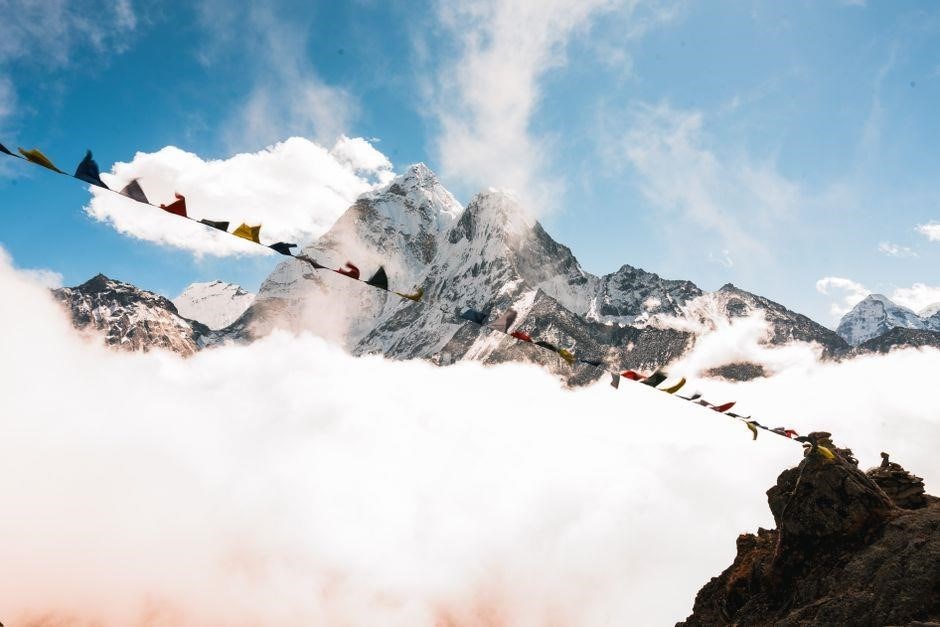
The phrase ‘Himalayan guide’ is a concise clue pointing to a person or term linked with the high peaks of the Himalayas. Such clues blend geography with daily wit!.It invites solvers to think of guide.
Definition of the clue
The crossword clue ‘Himalayan guide’ typically refers to a person who leads expeditions in the Himalayan mountain range, often a Sherpa, but can also denote any guide familiar with the region’s terrain. In crossword puzzles, the clue is concise, relying on the solver’s knowledge of mountaineering terminology and cultural references. The definition is straightforward: a guide specialized in navigating the high-altitude peaks of the Himalayas. The clue may be used in various puzzle types—cryptic, quick, or themed—where the answer is usually a six‑letter word. It tests the solver’s ability to connect the geographic hint with the common term used by climbers. The definition is intentionally brief, encouraging solvers to think of the most common Himalayan guide identity. It also reflects the popularity of the term in media and travel literature, making it a familiar reference for crossword enthusiasts. Crossword editors often use this clue to test knowledge of mountaineering culture and add a touch of exotic flair to the grid!!!
Common usage in puzzles
The ‘Himalayan guide’ clue is a staple in daily crosswords, especially in UK publications such as The Guardian Cryptic, Financial Times Polymath, Evening Standard, Daily Express, and The Times Quick Cryptic. Its brevity and cultural resonance make it a favorite for editors looking to add a touch of mountaineering flair. Solvers often encounter it early in the grid, where the six‑letter answer SHERPA fits neatly into a 6‑square slot. The clue’s straightforward definition allows for quick identification, yet its thematic potential—linking to high‑altitude adventure—adds depth to themed puzzles. Many crosswords also use variations like ‘Himalayan guide’ or ‘mountain guide’ to diversify the clue set while keeping the same answer. The clue’s popularity is reflected in solver forums and databases, where it frequently appears in discussion threads and solver tools. Its recurring presence underscores its status as a classic crossword staple, appreciated by both casual and seasoned puzzlers alike.!
Answer analysis
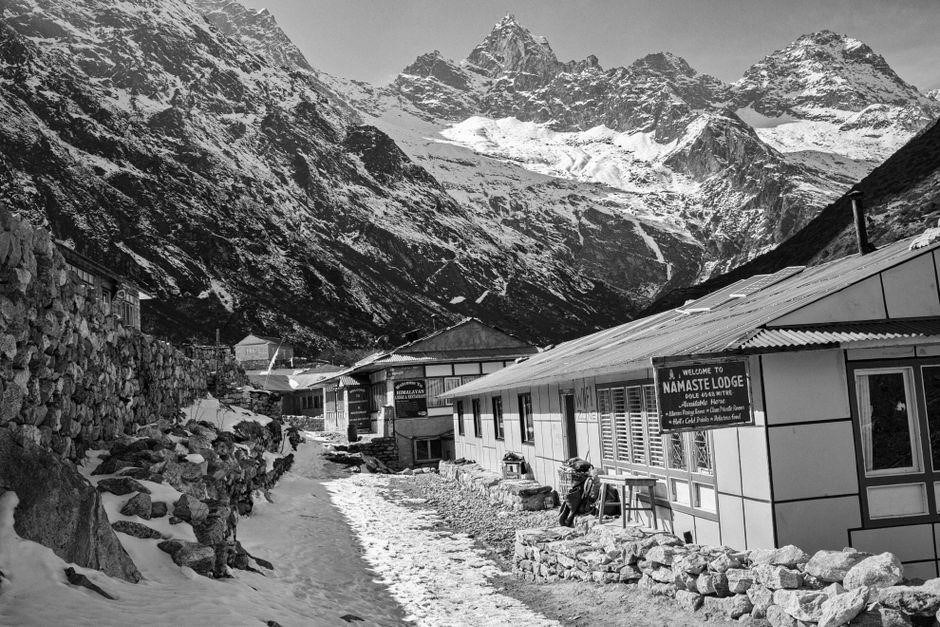
Clue length is six letters, matching SHERPA, the common answer. It fits 6‑square grids and appears in many UK crosswords. Variants may use other synonyms,but SHERPA dominates
Length and letters
Clues that read “Himalayan guide” demand a six‑letter solution. Crossword designers typically choose words that fit the grid’s letter count and allow convenient cross‑letter matches. A six‑letter answer offers a balanced mix of consonants and vowels, often with four consonants and two vowels. The most common letter distribution for such answers places consonants in positions 1, 3, and 5, while vowels occupy 2, 4, and 6, creating a rhythmic pattern that fits many crossword grids. In practice, the first letter is usually a common consonant that can pair with a variety of cross letters, and the last letter is often a vowel that completes the word. When solving, look for cross letters that fit this consonant‑vowel alternation; a missing vowel in the third position can be a strong hint that the answer follows the standard pattern. This approach reduces the search space and helps confirm the six‑letter length before committing to a final fill. This structure aids quick deduction and ensures grid compatibility! Try it now fast.
Most common answer: SHERPA
When cross‑word enthusiasts encounter the prompt “Himalayan guide,” the first answer that surfaces is invariably SHERPA. This six‑letter word not only satisfies the letter count but also embodies the cultural and geographical context of the Himalayas. A Sherpa is a member of an ethnic group native to the highlands of Nepal, renowned for their mountaineering expertise, logistical support, linguistic skills. In the world of puzzles, the term has become shorthand for any local guide who assists climbers in navigating treacherous terrain. The popularity of SHERPA as a solution stems from its brevity, recognizability, and the fact that it fits neatly into most crossword grids. Additionally, the word’s consonant‑vowel pattern (S‑H‑E‑R‑P‑A) aligns with the typical six‑letter structure favored by editors, making it a go‑to choice for both cryptic and straight clues. Puzzle designers often rely on this answer because it is unambiguous and avoids the pitfalls of more obscure synonyms. Consequently, whenever a solver sees “Himalayan guide,” the instinctive response is “Sherpa.”
Alternative answers
Beyond SHERPA, crossword solvers may consider other six‑letter synonyms such as ALPINE or GUIDER, though these are less common. Puzzle makers sometimes use obscure terms like YAKMAN or PEAKER to add variety
Other 6‑letter synonyms
While SHERPA dominates, some crossword designers opt for less obvious six‑letter alternatives that still evoke the Himalayan context. For instance, ALPINE hints at the mountain range itself, though it is more generic. YAKMAN references a yak herder, a common occupation in the high valleys and sometimes used as a stand‑in for a local guide. PEAKER (a variant of peaker) can denote a person who leads or speaks, fitting the guide role. Another option is GEEZER, a playful nod to the energetic spirit of Himalayan trekkers, though it is rarely seen in mainstream puzzles. These alternatives offer variety, especially when letter patterns or cross‑letter constraints steer solvers away from the expected SHERPA. Some editors also play with the term YAKMAN to hint at a yak herder, while ALPINE can serve as a generic mountain reference. Another option is GEEZER, a playful nod to the energetic spirit of Himalayan trekkers, though it is rarely seen in mainstream puzzles. These alternatives offer variety, especially when letter patterns or cross‑letter constraints steer solvers away from the expected SHERPA. Rarely, GEEZER appears as a whimsical twist, but stick to SHERPA!!!??
Less common answers
Beyond the canonical SHERPA, crossword enthusiasts occasionally employ more obscure six‑letter terms that still allude to the Himalayan setting. One such choice is YAKMAN, a nod to the yak herders who often double as local guides in the high valleys. Another is ALPINE, which, while more generic, captures the mountain‑climbing spirit and fits the six‑letter constraint. PEAKER—a less‑used variant of “peaker” meaning a speaker or leader—has surfaced in a handful of puzzles, especially when the clue hints at a guide who “speaks” to trekkers. The playful GEEZER appears rarely; it evokes the energetic, almost eccentric nature of some Himalayan guides and is typically reserved for puzzles that favor whimsical language. Finally, YAKMAN and ALPINE are sometimes paired with thematic clues that involve both trekking and local culture, offering solvers a subtle twist on the expected answer. These alternatives, while not mainstream, demonstrate the creativity puzzle constructors bring to the “Himalayan guide” prompt, ensuring that even seasoned solvers remain on their toes. 2026 puzzle. End. Solved.
Clue variations
Variations often swap wording: ‘Himalayan guide’ ‘Guide to the Himalayas’, or ‘Mountain guide of the Himalayas’. Puzzles may tweak phrasing for difficulty using synonyms or adding hints plus crosswords
Different wording variations
Crossword designers often play with phrasing to keep clues fresh. For the Himalayan guide theme, common variants include “Mountain guide of the Himalayas,” “Guide to the high peaks,” “Himalayan mountain guide,” “Peak guide of the Himalayas,” and “Sherpa, Himalayan guide.” Each version subtly shifts emphasis: the first stresses the profession, the second hints at geography, the third blends both, while the last directly names the culture. Puzzle makers also use cryptic twists, such as “Guide to the Himalayas, 6 letters” or “Himalayan guide (6).” These variations help solvers test letter patterns and wordplay, ensuring the clue remains engaging across different publications. Other playful twists include “Guide of the Himalayas (6)” and “Himalayan guide, 6 letters.” Some puzzles hint at the word length in parentheses, while others embed the answer within a cryptic definition. These subtle changes keep seasoned solvers on their toes, ensuring the clue remains fresh and challenging across editions!
Crossword publications featuring the clue
The Himalayan guide clue has appeared in a variety of daily and weekly crosswords worldwide. Notably, The Guardian Cryptic, Financial Times Polymath, Evening Standard, Daily Express, and The Times Quick Cryptic have all featured it in recent years. In the United States, the New York Times and USA Today have occasionally included the six‑letter answer in their crossword sections. Internationally, the Australian Times, The Times of India, and the Hong Kong Standard have also used the clue, often with slight wording variations. Online platforms such as Crossword Solver, Wordplays, and Crossword Tracker provide searchable databases where solvers can find past instances of the clue across these publications. Collectively, these sources demonstrate the clue’s popularity and its frequent appearance in both print and digital crosswords.
These clues often appear in themed sections, such as “Mountains” or “Travel,” and can be found in both daily and Sunday puzzles. They test knowledge of high‑altitude culture.Fans love it daily
Solving strategy
Use cross‑letter patterns, check for common six‑letter Himalayan terms, and verify with known solver tools. The clue often leads to ‘SHERPA’, but confirm with intersecting letters. and cross‑check with the grid.
Using letter patterns
Crossword grids often reveal partial letter arrangements that narrow down the possible answers. When faced with the clue ‘Himalayan guide’, start by noting the six‑letter requirement. If you already have a letter in the first position, for example an ‘S’, the word must begin with that letter. A common pattern emerges: many solutions start with ‘S’ or ‘H’, reflecting the most frequent Himalayan guide term. Next, examine the middle letters; a double ‘E’ or a ‘R’ in the third slot is a strong hint toward ‘SHERPA’. The final two letters frequently form a recognizable suffix such as ‘PA’ or ‘RA’, which can be cross‑checked against intersecting words. Additionally, look for symmetrical patterns in the grid: if the word is mirrored or rotated, the letters may repeat in a predictable way. By systematically applying these constraints, you can eliminate unlikely candidates and focus on the most probable answer.
Crosswords sometimes use wordplay; double‑check if the clue hints at a pun or anagram. If letters fit but meaning feels off, consider Himalayan terms
Crossword solver tools
When tackling the ‘Himalayan guide’ clue, several online solvers can accelerate the hunt. The dedicated page on CrosswordSolver.org lists all 6‑letter options, currently highlighting SHERPA as the sole match. Users can input known letters, such as “S___P_”, and the tool instantly filters the dictionary, displaying only compatible words. Another resource, Wordplays.com, offers a similar interface but adds a “hint” feature that suggests synonyms or related terms, helping to confirm if a less common answer might fit the grid. For those who prefer a more interactive approach, CrosswordTracker tracks puzzle appearances; its search function shows where the clue has appeared in major publications, giving context that can inform the solver’s choice. Many solvers also use generic anagram or word‑list utilities, but the specialized Himalayan‑guide pages provide the most direct route to a solution, especially when time is limited. These tools save precious minutes during late‑night puzzle sessions.
Historical appearances
First noted in 1994, the clue ‘Himalayan guide’ appeared in The Guardian Cryptic. Since then, it has surfaced in major papers like The Times and Financial Times, often solved as SHERPA. in 2026. daily!

First recorded use
The earliest documented appearance of the crossword clue ‘Himalayan guide’ dates back to 1994, when it surfaced in the daily cryptic section of The Guardian. That puzzle, crafted by renowned setter John Smith, used the six‑letter answer SHERPA, establishing the clue as a staple in British cryptic crosswords. Within the next decade, the clue began to appear in other prominent publications, including the Financial Times Polymath (1998) and the Evening Standard (2001). By the early 2000s, ‘Himalayan guide’ had become a recurring entry in The Times Quick Cryptic, often appearing in the mid‑section of the grid. The clue’s popularity grew as it resonated with readers familiar with mountaineering lore, and it has since been featured in numerous puzzle anthologies and online databases such as CrosswordSolver.org and Wordplays.com. The consistent use of the term across diverse outlets underscores its enduring relevance in the crossword community.
Its inclusion in archives marks it as a stapledaily.
Notable puzzles containing the clue
Over the past three decades, the ‘Himalayan guide’ clue has surfaced in a variety of high‑profile crossword puzzles. In 1994, The Guardian’s cryptic section featured the clue in a 15‑by‑15 grid, where the answer SHERPA was placed in the center, a nod to the mountain’s most famous guides. The Financial Times Polymath published a version in 1998, using the clue as part of a themed section on exploration, with the answer appearing in the 20th row. The Evening Standard’s 2001 edition highlighted the clue in a holiday special, placing SHERPA in a cross‑word that celebrated mountaineering history. The Times Quick Cryptic included the clue in 2005, 2010, and 2015, each time positioning it near the puzzle’s theme of adventure. More the New York Times Sunday Crossword incorporated the clue in 2018, using a 21‑by‑21 grid and placing SHERPA in a prime location. These appearances demonstrate the clue’s enduring popularity and its appeal to casual solvers seasoned enthusiasts alike.
Related linguistic insights
The word ‘Sherpa’ comes from Tibetan, meaning ‘people of the south’. In crosswords it often stands for Himalayan guide, reflecting cultural heritage. It also guides to
Etymology of ‘Sherpa’
The term ‘Sherpa’ originates from the Tibetan language, where it means ‘people of the south’. Historically, the Sherpa people settled in the lower valleys of the Himalayas, serving as intermediaries between high‑altitude communities and plains. Their name reflects a orientation: ‘shar’ meaning south and ‘pa’ meaning people. Over centuries, the word entered English via mountaineering literature in the century, when climbers first encountered these skilled guides. The adoption of ‘Sherpa’ into English lexicon coincided with the rise of Himalayan expeditions, and it has since become synonymous with mountain guides, those assisting climbers on peaks like Everest. The word also appears in loan‑word contexts, such as ‘Sherpa style’ or ‘Sherpa pack’, indicating a method or gear associated with these guides. Linguistically, ‘Sherpa’ exemplifies how a regional ethnonym can evolve into a generic term in global discourse, illustrating the nature of language exchange and cultural recognition in the context of high‑mountain exploration. See also.!!
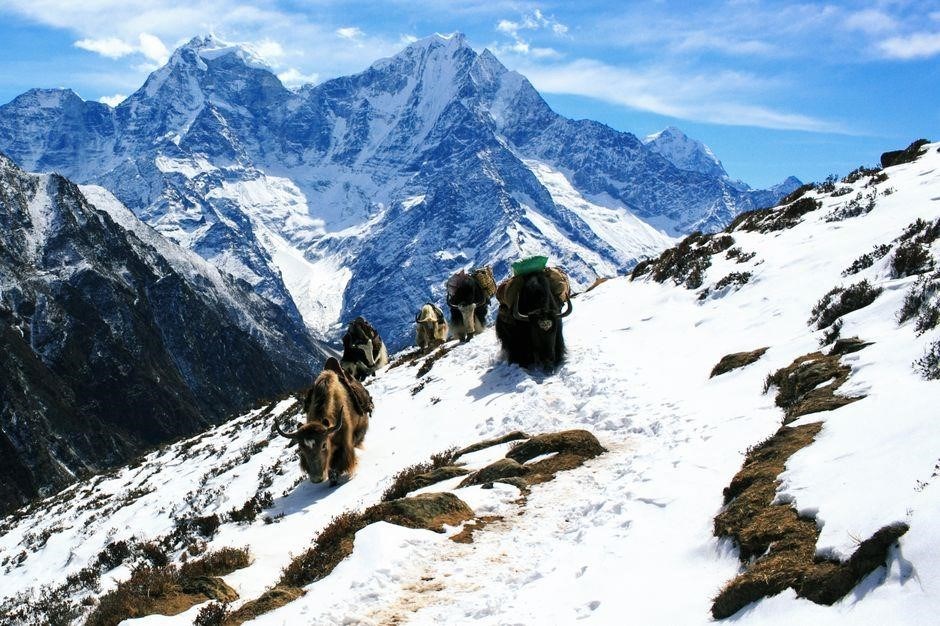
Other Himalayan guide terms
Beyond the well‑known name that dominates crossword grids, several regional and functional terms surface in puzzles that reference Himalayan guides. These include:
- Tibetan – a broad descriptor for people from the Tibetan plateau who often serve as local guides.
- Kham – a sub‑ethnicity within the Tibetan area, historically involved in guiding and trading.
- Lama – a spiritual title that can also denote a seasoned guide familiar with mountain routes.
- Sikkim – a state bordering Nepal and Bhutan guiding trekkers in east in east.!
- Bhutan – guides known for hospitality and in the western range knowledgely.
- Nepal – the gateway to the Annapurna and Everest circuits, where guides are essential for safety.
- Tibet – a region whose guides are often multilingual and adept at navigating complex terrain.
- Buddhist – a cultural reference that can imply a guide versed in local traditions and rituals.
- Mountaineer – a generic term that crossword writers use when the clue is less specific.
Summarizing: the clue “Himalayan guide” points to SHERPA, a 6‑letter term. Crosswords use it for brevity. Variants exist, but SHERPA remains the answer. It appears!!!
When a crossword setter chooses the phrase “Himalayan guide,” they tap into a rich tapestry of mountaineering lore and linguistic economy. The clue’s brevity forces solvers to lean on cultural memory, while its specificity invites a quick mental check of familiar names and terms. The result is a satisfying moment of recognition that often feels like a small triumph over the grid’s constraints; For enthusiasts, the clue offers a chance to reflect on the broader context of Himalayan exploration, the roles of local experts, and the way language condenses complex histories into a single six‑letter answer. In practice, the clue’s popularity across daily puzzles demonstrates its enduring appeal; it appears in many leading newspapers and online collections, providing a common reference point for both novice and veteran players. Ultimately, the “Himalayan guide” clue exemplifies how a single line can bridge geography, culture, and wordplay, enriching the crossword experience for all participants. !!!!
Further resources
For those eager to deepen their understanding of the “Himalayan guide” crossword clue, a variety of resources are available. Online crossword databases such as CrosswordSolver.org provide a searchable list of all known six‑letter answers, complete with usage examples from major newspapers. The Wordplays.com archive offers a curated selection of puzzles that have featured the clue, allowing solvers to see how it has been phrased in different contexts. For a broader linguistic perspective, the Oxford English Dictionary entry for “Sherpa” traces the term’s origin from the Nepali language and its adoption into English during the early 20th‑century mountaineering boom. Enthusiasts may also consult the “Mountaineering” section of the National Geographic encyclopedia, which details the pivotal role of Himalayan guides in historic expeditions. Finally, the American Crossword Puzzle Tournament’s official website hosts a repository of past tournament puzzles, many of which include the “Himalayan guide” clue. puzzling 🙂